

One Health Summer Course Registration

Summary for One Health Course

The One Health International Course at Universitas Gadjah Mada (UGM) is a summer program designed for undergraduate, master’s, and doctoral students to explore the interconnected health of humans, animals, and the environment. The course emphasizes transdisciplinary approaches to emerging and re-emerging diseases, integrating theoretical learning with hands-on field experiences. It follows a hybrid learning model equivalent to 3 credits or 135 total hours, combining pre-arrival asynchronous activities with an intensive six-day on-site program in Yogyakarta. Upon completion, participants receive an e-certificate, an academic transcript, and valuable international networking opportunities.

The program further enriches the learning experience through field visits to locations where One Health approaches are actively implemented at the human-animal-environment interface—such as in disease surveillance systems, livestock management facilities, or ecosystem monitoring sites. In addition, students will collaborate closely in multinational and multidisciplinary teams to develop a mini-project, allowing them to directly apply their newly acquired knowledge to tangible challenges in disease prevention, surveillance, and control. The course adopts a hybrid learning model equivalent to 3 credits or 135 total hours of student work, effectively combining pre-arrival asynchronous activities such as guided readings, video lectures, and preparatory assignments with the intensive, hands-on on-site component in Yogyakarta. Upon successful completion of the program, participants will receive an e-certificate and an official academic transcript as formal recognition of their achievements. Moreover, they will gain valuable opportunities to build an international professional network, connecting with peers, experts, and institutions from around the world.

Our Great Speaker

We are honored to welcome a distinguished panel of experts and thought leaders to the One Health International Course at Universitas Gadjah Mada. Join us as our invited speakers such as Prof. Hsiu Jung Lo, Prof. Nelson Martin, Dr. Affendy Hassan, Prof. Morakot K., Prof. Hsiao Chi C., and Mr. Navneet share their invaluable insights and experiences at the intersection of human, animal, and environmental health. Each speaker brings a unique transdisciplinary perspective, offering participants an exceptional opportunity to learn from leading practitioners and researchers in the field of One Health.

Prof. Hsiu Jung Lo

Prof. Nelson Martin
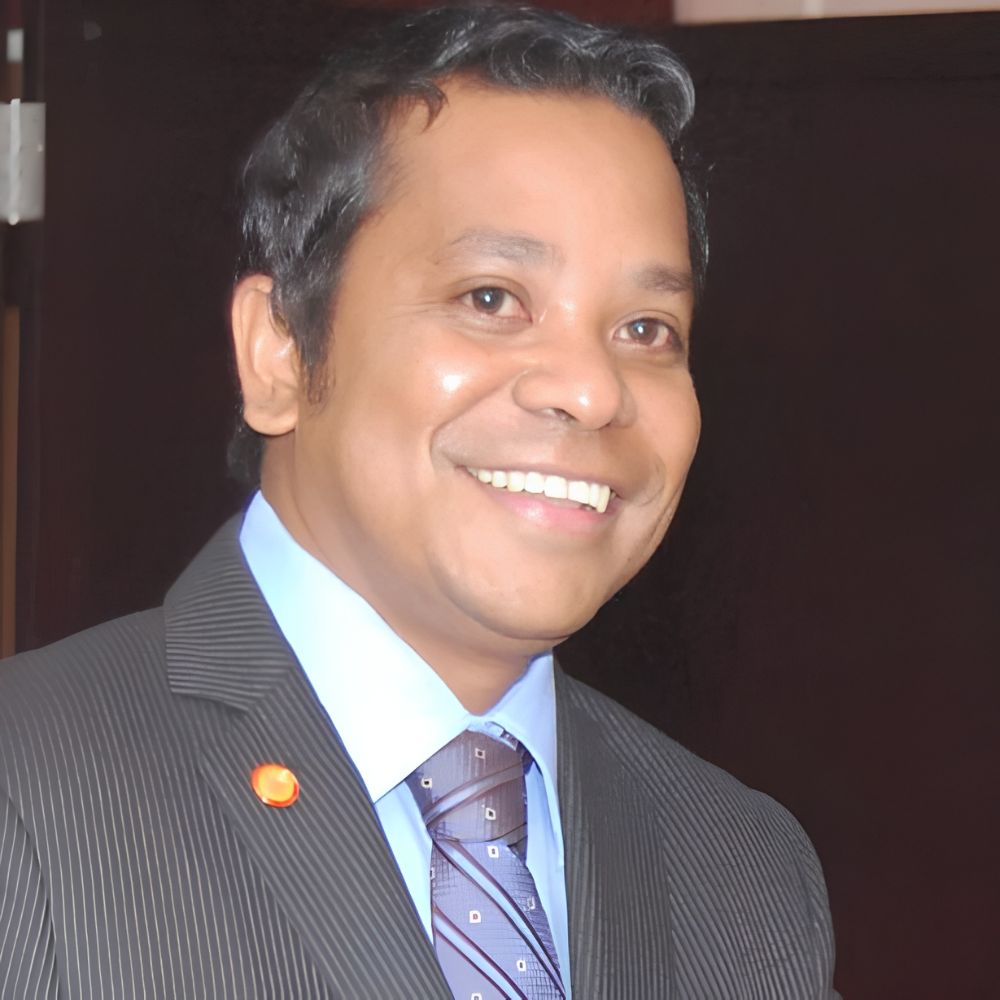
Dr. Affendy Hassan

Prof. Morakot K.
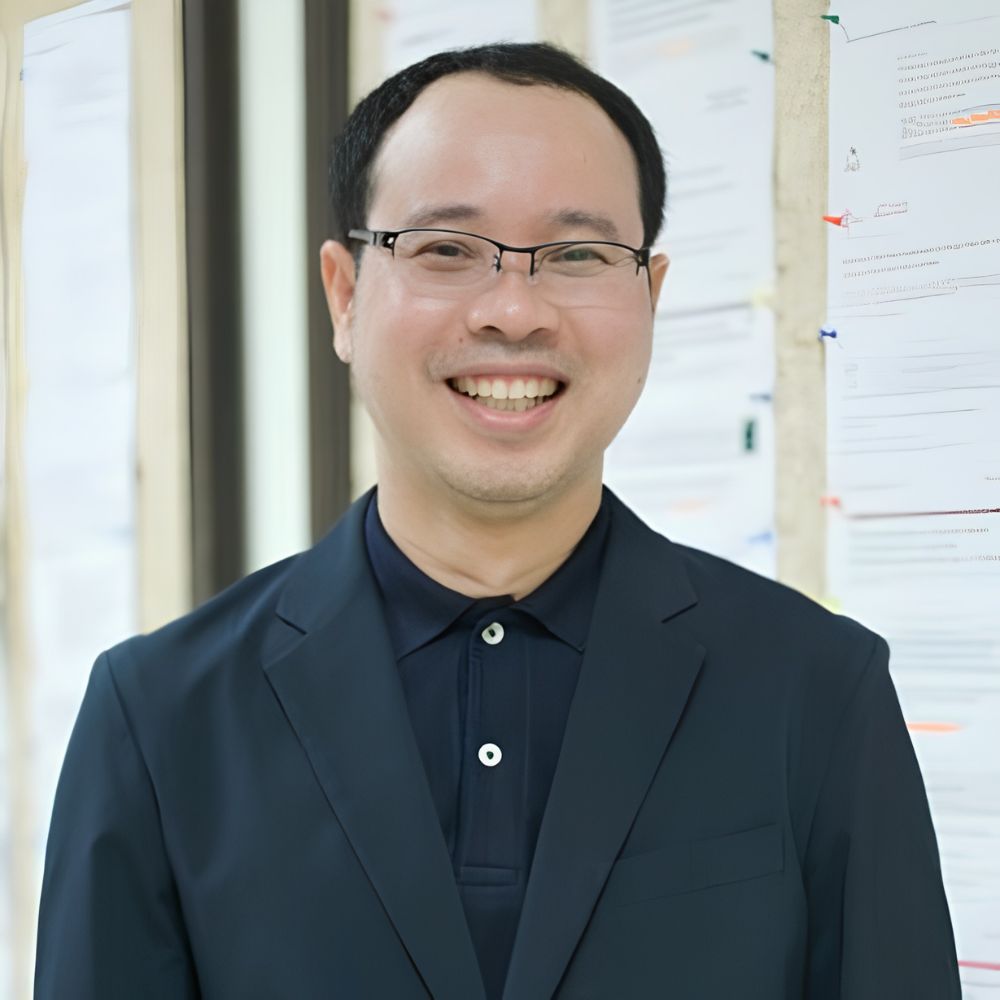
Prof. Hsiao Chi C.

Mr. Navneet
One Health Course Schedule

The One Health Program schedule presents a comprehensive week-long learning journey that integrates human, animal, and environmental health perspectives. The program begins with foundational concepts and global health challenges, followed by in-depth discussions on human–animal–environment interfaces and surveillance systems, including data integration and environmental risk analysis. Midweek activities transition into hands-on field visits focused on integrated and environmental surveillance practices. The program concludes with participant final presentations, reflection sessions, and a closing ceremony, ensuring both knowledge application and collaborative learning outcomes.

About the Programme

🌍 What is One Health? A Concept That Changes Everything
Imagine a world where human doctors, veterinarians, environmental scientists, and public health policymakers work not in separate rooms, but together  because they understand that the health of people, animals, and the planet is one single story. That is One Health. In an era where emerging and re-emerging diseases like avian influenza, rabies, Ebola, and COVID-19 have shown us how quickly pathogens can jump from wildlife to livestock to humans, the old approach of working in isolation no longer works. One Health is the revolutionary, transdisciplinary framework that breaks down these silos. It recognizes that to prevent the next pandemic, protect our food systems, and safeguard biodiversity, we need integrated surveillance, shared data, and collaborative action across human health, animal health, and environmental health.

🇮🇩 One Health UGM: A Global Leader in Action
Universitas Gadjah Mada (UGM) in Yogyakarta, Indonesia, has long been at the forefront of One Health education and practice. Located in a country rich with biodiversity, dynamic agricultural systems, and real-world human-animal-environment interfaces, UGM offers the perfect living laboratory to experience One Health not just study it. That’s why we are proud to present the UGM One Health Summer Course #2Transdisciplinary One Health Approaches to Emerging and Re-Emerging Diseases.

📅 Course Details
Dates: June 15–20, 2026 (six-day onsite program in Yogyakarta)
Format: Hybrid learning (3 credits / 135 hours), including asynchronous activities, field visits, reflections, and final project

🔥 Why You Cannot Miss This Opportunity

  • Real One Health Field Experience. You won’t just sit in a lecture hall. You will visit actual field sites — from wildlife and forest interfaces to integrated environmental surveillance locations — and see how One Health works on the ground.
  • Interactive Lectures & Panel Discussions. Learn from leading experts in human health surveillance, animal & livestock surveillance, digital innovation, and policy preparedness.
  • Daily Facilitated Reflection & Mini-Project Development. Work in multinational, multidisciplinary teams to solve real-world case studies and develop actionable solutions.
  • International Networking & Collaboration. Connect with undergraduate, master’s, and PhD students from around the world. Build friendships and professional networks that last a lifetime.
  • E-Certificate & Academic Transcript. Earn formal recognition for your 135 hours of learning.
  • Cross-Cultural Experience in Yogyakarta. Experience the warmth of Javanese culture, world-famous heritage sites, and delicious cuisine all while advancing your career in global health.

Key Activities of Agenda

Theme Discussion

  • Interactive lectures and panel discussions with experts
  • Daily facilitated group reflections
  • Field visits to observe One Health in action
  • Mini-project development
  • Case-based discussions

Sub-Themes Explored:

  • Foundations of One Health Surveillance
  • Human Health Surveillance & Digital Innovation
  • Animal & Livestock Surveillance
  • Wildlife & Forest Interface
  • Integrated & Environmental Surveillance
  • From Surveillance to Action: Policy & Preparedness

Required Documents:

  • Passport photo
  • CV / resume
  • Student ID or enrollment proof

Open to both Indonesian and international students, this program welcomes participants from all academic levels — whether you’re an undergraduate just beginning your journey or a doctoral researcher deepening your expertise.

Fees for Course

Registration Information

Application Period at February 15 – May 15, 2026
Don’t wait — spots are limited!

Course Fee:

  • USD 380 (for International Student)
  • USD 150 (for Local/ Indonesian Student)

Includes academic materials, field visit logistics, and certificate

How to Register?

For register this international course, please visit our link registration at admission.ugm.ac.id. After register using personal email, fill all your data and then choose One Health International Course. 

Get in Touch

Have questions? We’re here to help!
📧 Email: one-health@ugm.ac.id 🌐 Website at https://ohce.wg.ugm.ac.id/

Need some Place to Take a Break?

As we take a short break from our intensive discussions on the One Health approach, let me invite you to also experience the rich culture and natural beauty that Yogyakarta has to offer. Beyond this summer course, there are several wonderful places waiting to be explored each offering a unique glimpse into the harmony between nature, wildlife, and local communities. Feel free to consider these destinations for your free time, as they not only provide relaxation but also reflect the very principles of balance and well-being that we are learning to promote across human, animal, and environmental health.

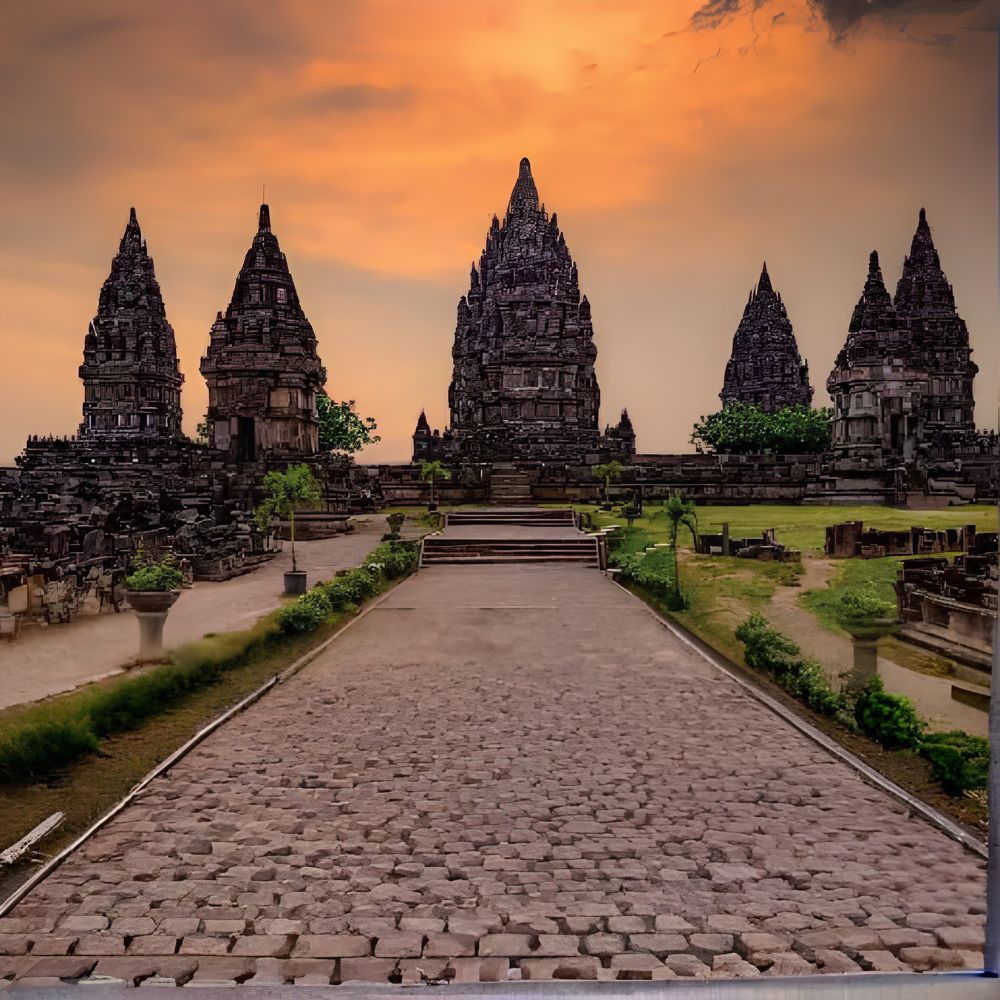
Prambanan Temple

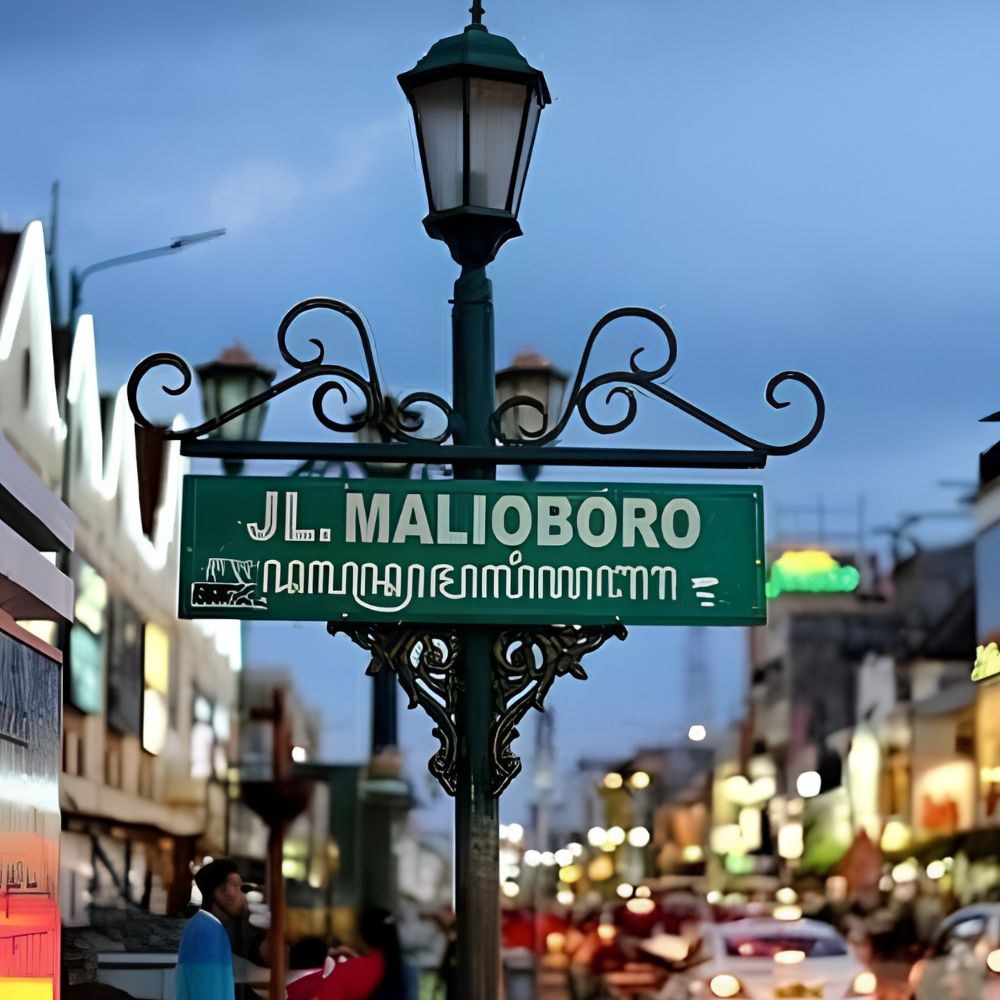
Malioboro

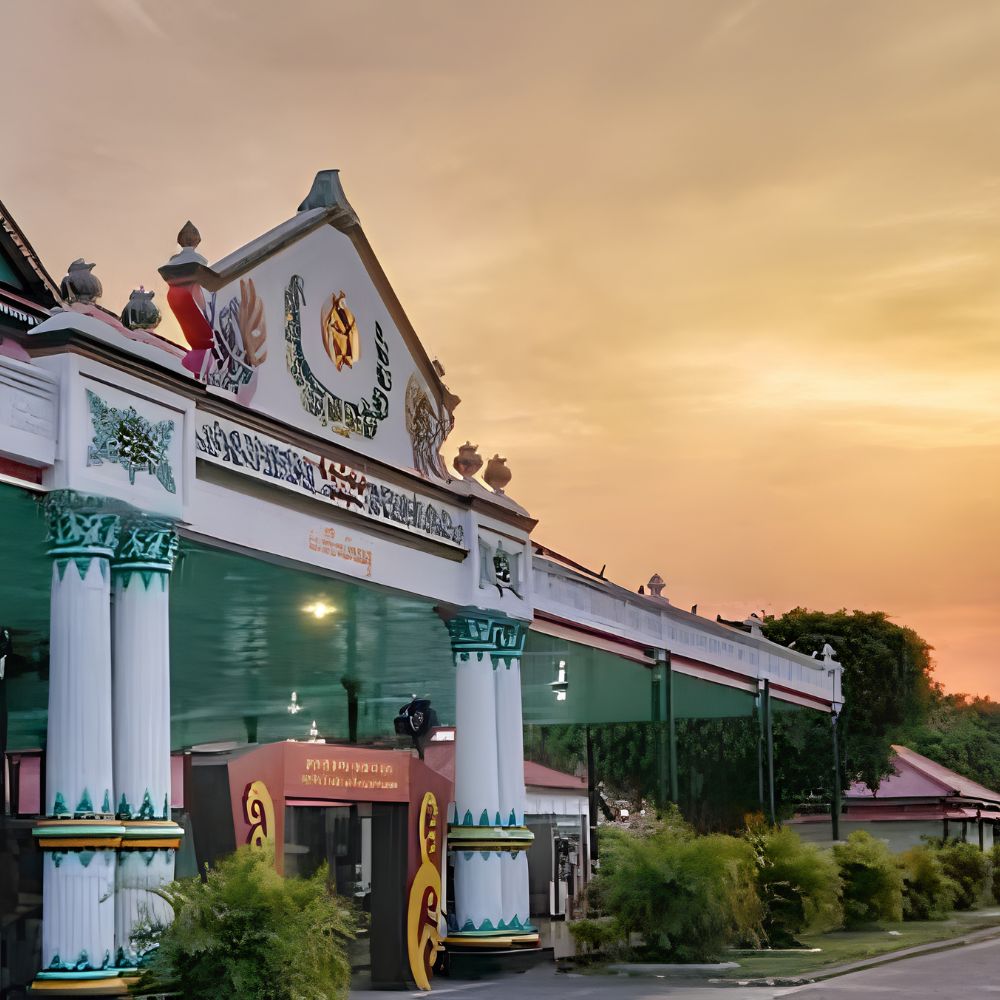
Keraton Yogyakarta
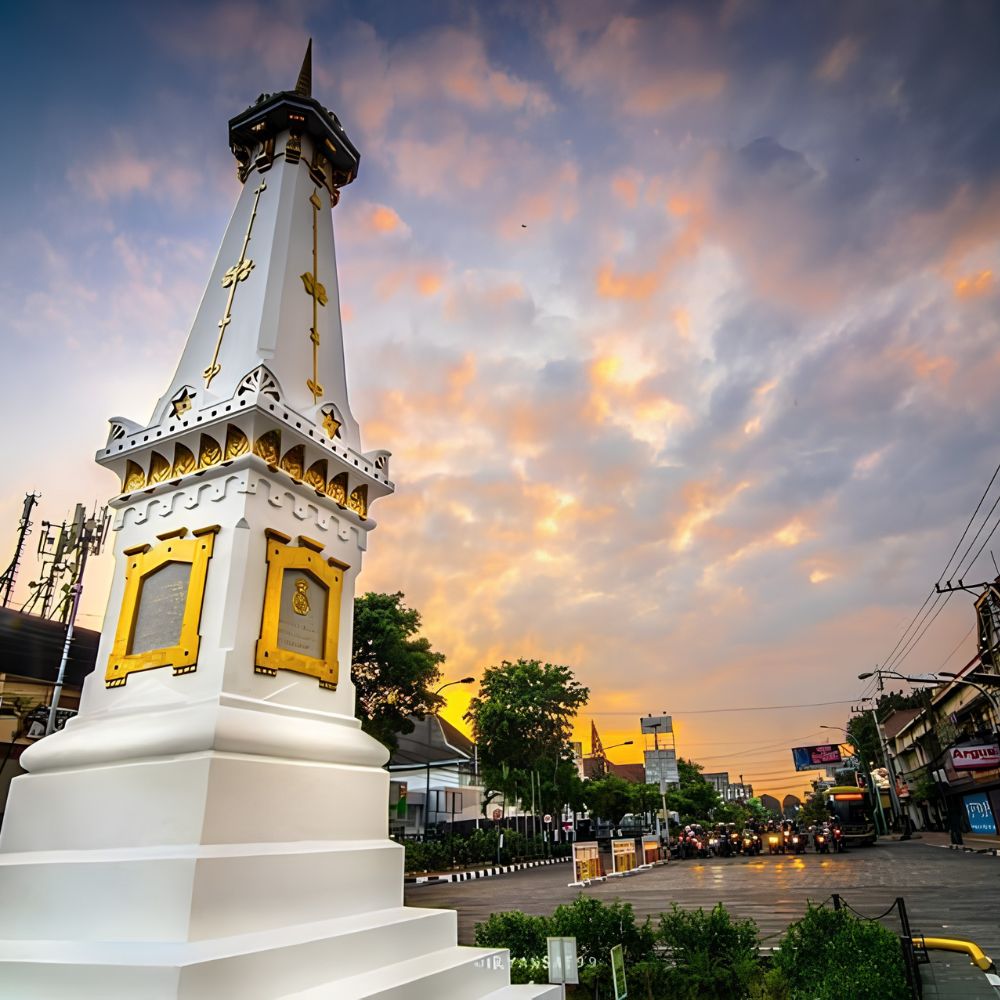
Tugu Yogyakarta
Borobudur Temple

Pindul Cave

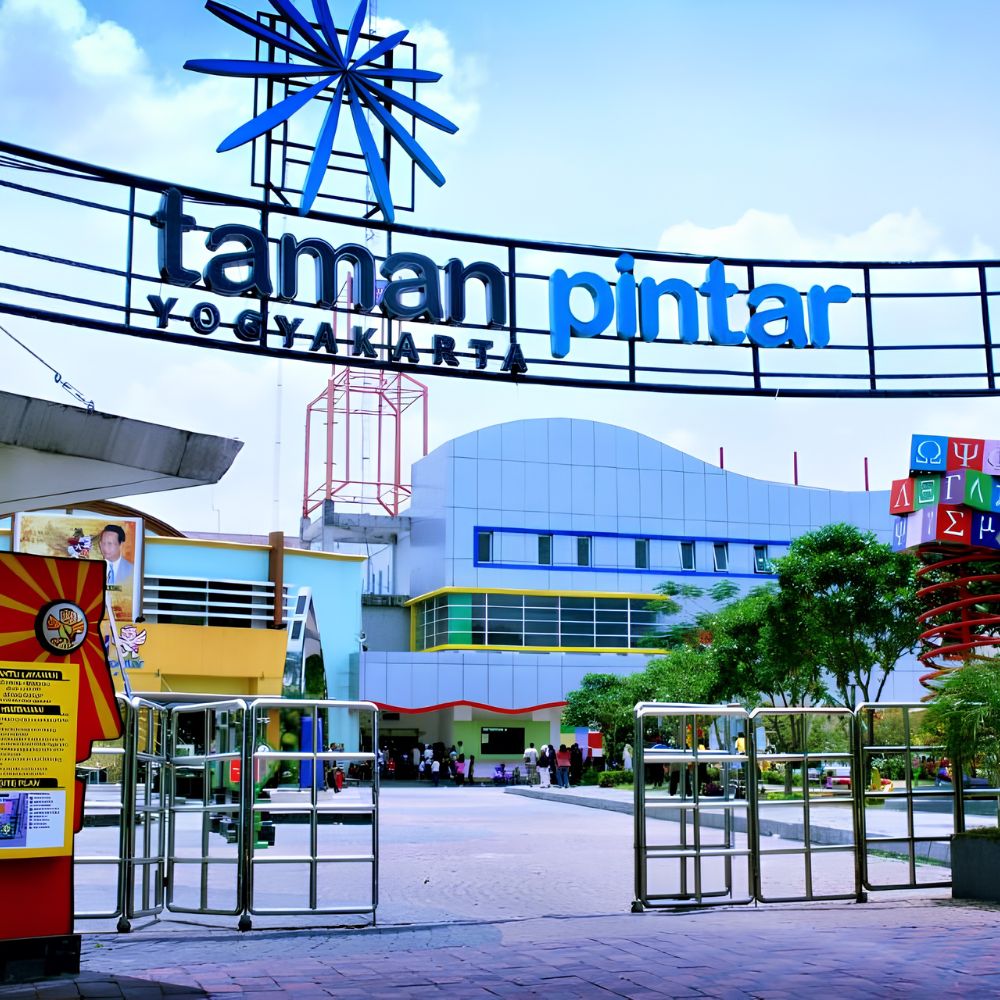
Taman Pintar
Local Culinary